
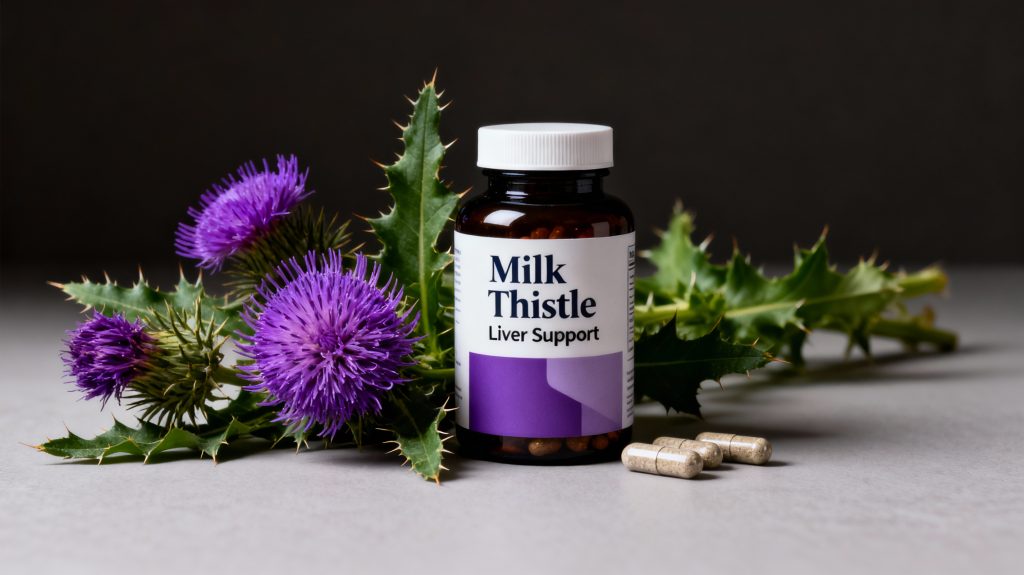
Milk thistle (Silybum marianum) and its main active extract, silymarin, are among the most widely studied herbal supplements for liver health. Backed by decades of laboratory and clinical research, milk thistle is used to protect liver cells, reduce oxidative stress, and support recovery from toxic or inflammatory injury. This article summarizes how it works, the evidence, dosing guidance (India & US), safety, and practical tips for use.
What is milk thistle?
Milk thistle is a Mediterranean flowering plant whose seeds contain a mixture of flavonolignans collectively called silymarin (major components: silybin/silibinin, isosilybin, silychristin, and silydianin). Silymarin is the compound most linked to the herb’s liver benefits and is the ingredient used in clinical products and supplements.
How milk thistle may support the liver
Silymarin has several liver-supporting actions observed in cell, animal, and human studies. It acts as an antioxidant (scavenging free radicals and raising liver glutathione), stabilizes cell membranes to resist toxin entry, and may promote regeneration of hepatocytes (liver cells). These combined effects can reduce inflammation, limit cell death, and improve biochemical markers of liver injury in some settings.
How milk thistle work in the liver
The primary bioactive, silibinin (silybin), and the silymarin complex exert multiple biochemical effects:
- Antioxidant: restores intracellular glutathione and neutralizes reactive oxygen species.
- Anti-inflammatory: downregulates cytokine signaling pathways that drive liver inflammation.
- Cell membrane stabilization: reduces permeability so toxins (e.g., amanita toxins, alcohol metabolites) are less able to enter hepatocytes.
- Protein synthesis & regeneration: may stimulate ribosomal RNA polymerase I, encouraging production of proteins needed for cell repair.
These mechanisms are supported by preclinical and mechanistic reviews.
Mechanism of action at the cellular level
At a cellular level, silymarin:
- Raises antioxidant defenses (↑ glutathione, ↑ superoxide dismutase activity).
- Inhibits lipid peroxidation in hepatocyte membranes (protects cellular integrity).
- Modulates signaling pathways (NF-κB, MAPK) to reduce pro-inflammatory gene expression.
- Limits mitochondrial dysfunction and caspase activation (reducing apoptosis).
Together these effects help cells resist and recover from chemical or inflammatory injury.
Other key health benefits of milk thistle
Besides hepatoprotection, research suggests potential secondary benefits:
- May improve biochemical markers in nonalcoholic fatty liver disease (NAFLD) and reduce liver enzymes in some trials.
- Antioxidant and anti-inflammatory properties have motivated studies in metabolic syndrome, diabetes, and certain toxin exposures.
- Generally investigated as an adjunct (not replacement) to standard medical care for liver conditions. Note: clinical results are mixed and often depend on product quality, dose, and study design.
Available dosage forms and adult dosing (India & US guidance)
Dosage Types/Form: standardized silymarin/silibinin extracts (capsules/tablets), tinctures, and powdered seeds/teas. Standardized extracts are preferred for predictable dosing.
India (FSSAI): Indian nutraceutical guidance lists milk thistle standardized extract (silymarin) with a recommended range of 250–1,000 mg/day (maximum per labeling guidance). Manufacturers in India typically adhere to this standardized range.
United States (common clinical practice): There’s no FDA-required daily allowance for milk thistle, but commonly used clinical doses range from 200-800 mg/day of standardized silymarin extract (often divided into two or three doses). Many clinical trials use 420-600 mg/day of silymarin. Always check product standardization (e.g., percent silymarin).
How to use milk thistle
- Choose a standardized silymarin extract (look for % silymarin on the label).
- Typical starting regimens: 140 mg silymarin two or three times daily, or products labeled to provide 200–420 mg total per day divided. For higher therapeutic courses (used in trials), doses up to 600–800 mg/day have been studied.
- Take with food to improve tolerability.
- Use as an adjunct, not a substitute, for medical treatment in serious liver disease (e.g., cirrhosis, acute hepatitis). Discuss with your clinician first.
Safety considerations
Milk thistle is generally well-tolerated. Reported side effects are usually mild and include gastrointestinal upset (nausea, diarrhea, bloating), headache, and rare allergic reactions (especially in people allergic to the ragweed/aster family). Silymarin has a favorable drug interaction profile overall, but caution is advised with drugs that have narrow therapeutic windows (e.g., warfarin), or when taking many prescription medicines; discuss with your provider. Pregnant or breastfeeding people should avoid it unless a doctor advises otherwise because human safety data are limited.
Clinical studies of milk thistle on liver health and associated disease
Clinical evidence is mixed but growing:
- NAFLD/NASH: Multiple randomized trials and meta-analyses report improvements in liver enzymes and some metabolic markers with silymarin, though results vary by dose and product.
- Toxin-induced liver injury and alcoholic hepatitis: Preclinical and clinical evidence supports hepatoprotective effects; however, high-quality RCTs with hard clinical endpoints (mortality, transplant) are limited, and results are heterogeneous.
In short: milk thistle shows biochemical and symptomatic promise in several liver conditions, but it should be considered complementary care pending larger, standardized clinical trials.
Doctor’s suggestion for milk thistle use
A responsible physician will typically recommend:
- Confirm diagnosis and liver severity with blood tests and imaging before starting supplements.
- Use standardized silymarin extract from a reputable manufacturer (third-party tested if possible).
- Start at a conservative dose (e.g., 200-420 mg/day) and monitor liver enzymes (ALT/AST) and clinical status after 6-12 weeks.
- Avoid in pregnancy/breastfeeding, and discuss any prescription drugs to screen for interactions.
- Use as an adjunct alongside evidence-based care (alcohol abstinence, metabolic control, and antiviral therapy when indicated).
Bottom line
Milk thistle (silymarin) is a well-studied herbal hepatoprotective agent with antioxidant, anti-inflammatory, and cell-stabilizing actions that may support liver health, particularly in NAFLD and toxin-related injury. Typical adult dosing ranges from 250 to 1,000 mg/day (India) and 200 to 800 mg/day (common US clinical use) of standardized extract. Choose quality products and consult your doctor.