
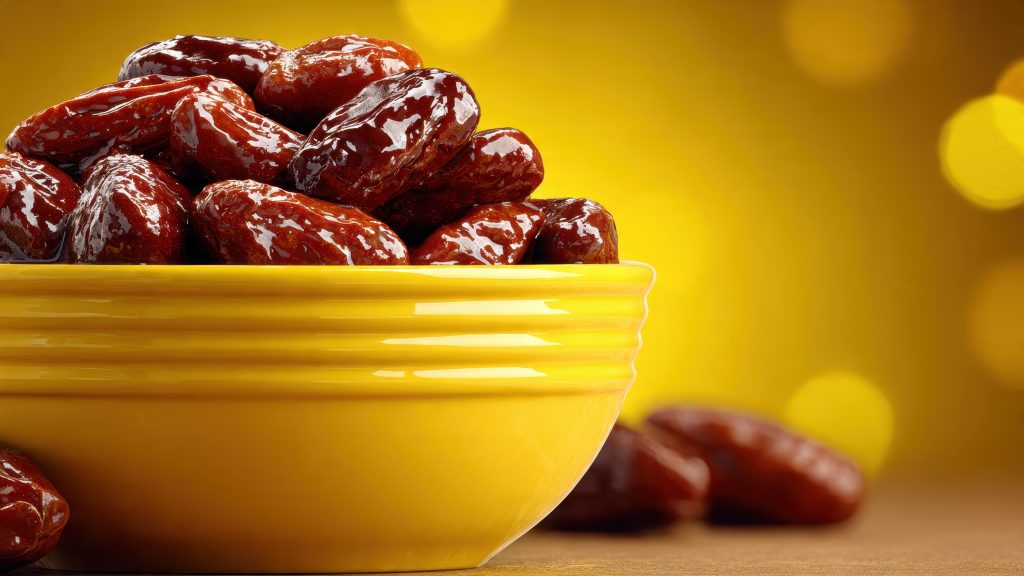
Dates, commonly known as Khajoor in India, have been used for centuries in traditional Indian diets and Ayurvedic practices. Beyond their natural sweetness, dates are recognised as a powerful Rasayana food in Ayurveda meaning they nourish the body, restore strength, and promote longevity.
In Indian households, dates are often consumed during fasting, pregnancy, post-illness recovery, and winter months due to their warming nature and dense nutritional profile. Modern nutrition science now supports what Ayurveda has long emphasised: dates are a functional food that supports digestion, energy levels, brain health, and cardiovascular wellness.
Nutritional Value of Dates (Khajoor)
From an Ayurvedic standpoint, dates are Guru (heavy), Snigdha (unctuous), and Madhura (sweet) in nature. These qualities make them deeply nourishing and grounding for the body.
Key Nutrients in Dates
- Natural sugars: Provide instant and sustained energy
- Dietary fibre: Supports digestion and bowel regularity
- Potassium: Helps balance blood pressure
- Magnesium: Supports muscle and nerve function
- Iron: Beneficial for improving haemoglobin levels
- Vitamin B6: Supports brain and nervous system health
- Antioxidants: Protect cells from oxidative stress
In Ayurveda, dates are believed to nourish Rasa Dhatu (plasma), Rakta Dhatu (blood), and Shukra Dhatu (reproductive tissues), making them especially beneficial for vitality and strength.
Standardized nutritional table
Table showing the approximate vitamins, minerals, and polyphenolic. Values are derived from USDA food composition data and peer-reviewed nutrition studies
Macronutrients
| Nutrient | Amount per 1 Date | Physiological Role |
| Energy | ~20–23 kcal | Quick natural energy |
| Carbohydrates | 5.3–6.0 g | Primary fuel source |
| Natural Sugars | 4.5–5.0 g | Immediate energy |
| Dietary Fibre | 0.6–0.8 g | Gut health, glucose control |
| Protein | 0.15–0.2 g | Tissue repair |
| Fat | <0.03 g | Negligible |
Vitamins in One Date
| Vitamin | Amount | % RDA* | Health Significance |
| Vitamin B6 (Pyridoxine) | 0.02 mg | ~1–2% | Brain function, neurotransmitters |
| Niacin (B3) | 0.1 mg | ~1% | Energy metabolism |
| Riboflavin (B2) | 0.01 mg | <1% | Cellular energy |
| Folate (B9) | 1–2 µg | <1% | Red blood cell formation |
| Vitamin A (β-carotene) | Trace | — | Antioxidant support |
| Vitamin K | Trace | — | Blood clotting |
*RDA based on adult Indian/WHO standards
Minerals in One Date
| Mineral | Amount | % RDA* | Health Role |
| Potassium | 50–55 mg | ~1.5% | Blood pressure regulation |
| Magnesium | 3–4 mg | ~1% | Muscle & nerve function |
| Calcium | 3 mg | <1% | Bone health |
| Phosphorus | 4–5 mg | <1% | Energy metabolism |
| Iron | 0.1 mg | ~1% | Haemoglobin synthesis |
| Zinc | 0.02 mg | <1% | Immunity |
| Copper | 0.03 mg | ~3% | Iron metabolism |
| Selenium | Trace | — | Antioxidant enzymes |
Polyphenolic & Antioxidant Compounds in One Date
| Compound Group | Approx. Content | Functional Benefit |
| Total Polyphenols | 20–40 mg GAE | Antioxidant, anti-inflammatory |
| Flavonoids | Present | Cardiovascular protection |
| Phenolic Acids | Present | Cellular protection |
| Carotenoids | Trace | Eye & skin health |
| Tannins | Small amount | Gut and metabolic support |
Dates are considered one of the highest polyphenol-rich dried fruits per serving.
How Many Dates Should You Eat Per Day? (Ayurvedic View)
Ayurveda always emphasises Ahara Matra the right quantity of food.
- For daily wellness: 2–3 soaked dates
- For weakness, fatigue, or recovery: 4–5 dates with warm milk
- For pregnant and lactating women: 2–3 dates (after consulting a healthcare professional)
- For people with diabetes or Kapha imbalance: 1–2 dates occasionally, preferably soaked
Soaking dates overnight reduces their Guru (heaviness) and makes them easier to digest.
Popular Date Varieties in India by Texture & Use
India consumes both imported and locally preferred varieties, each offering unique benefits.
Soft & Sweet Varieties
- Medjool: Large, soft, and energy-rich; ideal for fasting and physical endurance
- Mazafati: Juicy and cooling; supports digestion
- Sukkari: Very sweet and nourishing; helpful in Vata imbalance
- Dayri: Soft and naturally sweet
Semi-Dry & Chewy Varieties
- Deglet Noor: Commonly used in Indian cooking and desserts
- Khudri: Balanced sweetness; suitable for regular consumption
- Safawi: Dark, chewy, and traditionally valued for iron content
- Sayer: Semi-dry and easy to digest
Dry & Firm Varieties
- Thoory: Dry and fibrous; good for digestive regulation
- Zahidi: Mildly sweet and suitable for Kapha types
Other Notable Ayurvedic-Friendly Varieties
- Ajwa: Traditionally valued for antioxidant and protective properties
- Mabroom: High fibre and supportive of gut health
- Amber: Large and deeply nourishing
- Kimia: Popular in India; gentle on digestion
- Omani Dates (Khalas/Fard): Often consumed with herbal teas
How to Choose the Best Dates as per Dosha
Ayurveda classifies individuals based on Vata, Pitta, and Kapha doshas.
- Vata types: Soft, moist dates like Medjool and Kimia
- Pitta types: Moderately sweet and soaked dates to avoid excess heat
- Kapha types: Dry or semi-dry varieties like Zahidi and Deglet Noor (in moderation)
Always prefer fresh, chemical-free, and organically sourced dates.
5 Health Benefits of Dates According to Ayurveda and Modern Science
Dates offer a unique synergy of Ayurvedic wisdom and evidence-based nutrition.
1. Improves Digestion and Relieves Constipation
Dates are rich in dietary fibre, which improves bowel movement and gut motility. Ayurveda recognises dates as a mild Anulomana food helping regulate the natural movement of waste.
Soaked dates help pacify Vata, the primary dosha responsible for constipation and bloating.
2. Acts as a Natural Rasayana (Rejuvenator)
Dates are classified as a Balya and Brimhana food in Ayurveda, meaning they enhance strength, stamina, and tissue nourishment.
Regular consumption may help combat fatigue, improve immunity, and support healthy ageing.
3. Supports Brain and Nervous System Health
Vitamin B6 supports neurotransmitter synthesis, improving mood and cognitive function. Ayurveda also links dates to nourishment of Majja Dhatu (nervous tissue), which supports memory, focus, and mental clarity.
Dates are often recommended for students, elderly individuals, and those under mental stress.
4. Natural Energy and Strength Booster
Dates are traditionally consumed during vrat (fasting) and after physical exertion because they provide immediate energy without burdening digestion.
Combined with warm milk or ghee, dates help build Ojas, the vital essence responsible for strength and resilience.
5. Promotes Heart Health and Blood Balance
Potassium and magnesium help regulate blood pressure and circulation. Ayurveda considers dates beneficial for Rakta Dhatu, supporting healthy blood formation and heart function.
Iron-rich varieties may help manage mild anaemia when consumed as part of a balanced diet.
Best Ayurvedic Ways to Consume Dates
- Soaked dates with warm milk: For strength and recovery
- Dates with ghee: To pacify Vata and improve nourishment
- Date paste with herbs: Used in traditional formulations
- Dates during fasting: Provide sustained energy
Avoid consuming dates late at night or in excess, especially if digestion is weak.
Conclusion
In Ayurveda and Indian nutrition, dates are far more than a sweet fruit they are a time-tested superfood that nourishes the body, mind, and vital tissues. When consumed mindfully and according to one’s dosha, dates can support digestion, energy, heart health, and overall vitality.
By blending traditional Ayurvedic principles with modern nutritional science, dates remain one of the most valuable natural foods for holistic wellness.
Read Articles Below for More Health Updates