
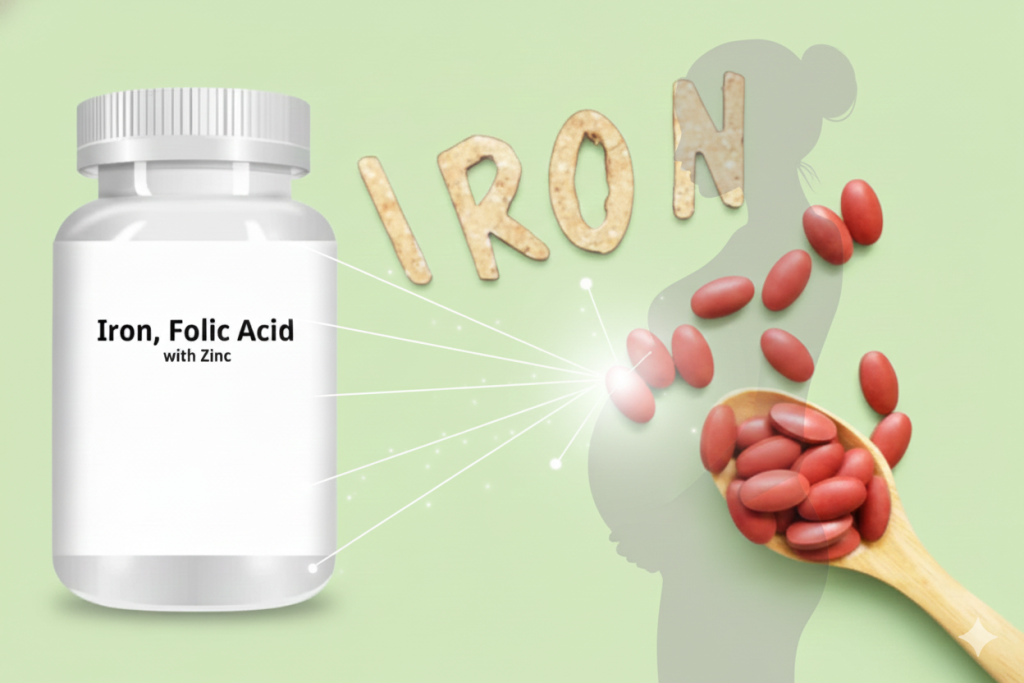
Maternal nutrition before and during pregnancy is one of the most critical determinants of both maternal well-being and optimal fetal development. Among the wide range of vitamins and minerals required during this period, iron, folic acid, and zinc stand out due to their indispensable roles in cell division, oxygen transport, immune regulation, and organ development. Deficiencies in any of these micronutrients are strongly associated with adverse pregnancy outcomes, including anemia, neural tube defects, preterm birth, low birth weight, and increased maternal complications.
This article provides a comprehensive, evidence-based overview of iron, folic acid, and zinc, explaining their physiological roles, benefits of supplementation, and why balanced intake is essential during the preconception period, pregnancy, and early lactation.
Importance of Micronutrients in Pregnancy
Pregnancy is characterized by rapid cellular growth, expansion of maternal blood volume, placental development, and increasing nutritional demands. Micronutrient deficiencies remain a significant public health concern, particularly in low- and middle-income countries. Addressing these deficiencies through diet and supplementation is a proven strategy to improve maternal and neonatal outcomes.
Iron, folic acid, and zinc are often grouped together in prenatal supplements because they support complementary biological processes essential for healthy pregnancy progression.
Iron (Fe): Supporting Oxygen Transport and Preventing Anemia
Role of Iron in the Body
Iron is a vital mineral required for the synthesis of hemoglobin, myoglobin, and several enzymes involved in energy metabolism and immune function. Hemoglobin enables red blood cells to transport oxygen from the lungs to tissues, including the placenta and fetus.
Iron Requirements During Pregnancy
During pregnancy, maternal blood volume increases by approximately 40-60%, significantly raising iron requirements. Additional iron is also needed to support placental growth and fetal iron stores, particularly during the third trimester.
Benefits of Adequate Iron Intake
- Prevention of Iron-Deficiency Anemia: Anemia during pregnancy is associated with fatigue, reduced immunity, and impaired work capacity.
- Reduced Risk of Adverse Outcomes: Adequate iron status lowers the risk of preterm delivery, low birth weight, and maternal mortality.
- Fetal Development: Iron supports fetal brain development and helps build neonatal iron reserves essential for early infancy.
Importance of Iron Supplementation
Many women enter pregnancy with depleted iron stores due to menstrual blood loss and inadequate dietary intake. Routine iron supplementation during pregnancy has been shown to significantly reduce the prevalence of maternal anemia and related complications. Preconception iron supplementation further improves outcomes by building adequate iron reserves before conception.
Folic Acid (Vitamin B9): Preventing Neural Tube Defects
Biological Role of Folate
Folic acid, the synthetic form of folate, is a water-soluble B vitamin essential for DNA synthesis, RNA production, and cell division. It plays a critical role during periods of rapid growth, such as pregnancy.
Role in Fetal Development
One of the most well-established benefits of folic acid is its role in neural tube development. The neural tube, which later forms the brain and spinal cord, closes within the first 28 days of pregnancy often before pregnancy is recognized.
Benefits of Adequate Folate Status
- Prevention of Neural Tube Defects: Adequate folic acid intake significantly reduces the risk of spina bifida and anencephaly.
- Placental and Fetal Growth: Folate supports continuous cell division in the placenta and fetus throughout gestation.
- Reduced Pregnancy Complications: Sufficient folate levels are associated with lower risks of preeclampsia, preterm birth, and low birth weight.
Importance of Preconception Supplementation
Because neural tube development occurs very early, health authorities recommend that women of reproductive age consume folic acid regularly, especially when planning pregnancy. Supplementation prior to conception is critical for maximum protective benefit.
Zinc (Zn): Supporting Growth, Immunity, and Neurodevelopment
Role of Zinc in the Body
Zinc is an essential trace mineral involved in over 300 enzymatic reactions. It plays a key role in protein synthesis, cell division, immune response, and antioxidant defense.
Zinc and Pregnancy Outcomes
Zinc is required for normal embryogenesis and fetal growth, particularly for the development of the nervous system and immune function.
Benefits of Adequate Zinc Intake
- Normal Fetal Growth: Zinc supports DNA synthesis and cellular differentiation during fetal development.
- Reduced Risk of Preterm Birth: Supplementation in women with low zinc intake has been linked to lower rates of preterm delivery.
- Improved Maternal Immunity: Adequate zinc status helps reduce susceptibility to infections and inflammatory complications during pregnancy.
Zinc Supplementation Considerations
Dietary zinc intake may be inadequate in women consuming plant-based diets due to lower bioavailability. Supplementation can help meet increased requirements, particularly in populations at risk of deficiency.
Synergistic Benefits of Combined Supplementation
Iron, folic acid, and zinc work synergistically to support maternal and fetal health. Together, they:
- Promote efficient oxygen delivery to maternal and fetal tissues
- Support DNA synthesis and rapid cell division
- Enhance immune protection during pregnancy
- Reduce the risk of anemia, birth defects, and preterm delivery
Balanced prenatal supplements are formulated to provide these nutrients in appropriate ratios to maximize benefits while minimizing nutrient interactions.
Nutrient Interactions and Safety Considerations
While supplementation is beneficial, excessive intake of individual minerals may interfere with the absorption of others. For example:
- High-dose iron may reduce zinc and calcium absorption
- Imbalanced supplementation may increase gastrointestinal side effects
Therefore, supplementation should always be guided by healthcare professionals and follow recommended dietary allowances.
Dietary Sources vs Supplementation
Dietary Sources
- Iron: Lean meats, poultry, fish, legumes, green leafy vegetables
- Folate: Spinach, lentils, citrus fruits, fortified grains
- Zinc: Meat, dairy, nuts, seeds, whole grains
Why Supplements Are Often Needed
Diet alone may not meet the increased nutritional demands of pregnancy. Prenatal supplements provide a reliable and standardized way to ensure adequate intake, particularly in women with increased needs or dietary limitations.
FSSAI and WHO Recommended Daily Intake During Pregnancy
Iron
- FSSAI (India): 27 mg elemental iron per day for pregnant women; higher therapeutic doses only under medical supervision. (Healthcare professional may increase or decrease the dose as per the current situation)
Folate (Vitamin B9)
- FSSAI: 220 µg/day preconception and during early pregnancy; up to 600 µg/day during later trimesters. (Healthcare professional may increase or decrease the dose as per the current situation).
Zinc
- FSSAI: 14.5 mg/day for pregnant women; supplementation recommended where dietary intake is low. (Healthcare professional may increase or decrease the dose as per the current situation)
Conclusion
Iron, folic acid, and zinc are foundational micronutrients for a healthy pregnancy. Their roles in oxygen transport, DNA synthesis, immune regulation, and fetal development make them indispensable from preconception through childbirth. Scientific evidence consistently demonstrates that adequate intake and appropriate supplementation of these nutrients significantly reduce the risk of maternal and fetal complications.
A balanced prenatal supplementation strategy, combined with a nutrient-rich diet and medical guidance, offers one of the most effective approaches to improving maternal health and ensuring optimal fetal growth and development.
Disclaimer: This article is for educational purposes only and does not replace medical advice. Pregnant women and those planning pregnancy should consult a qualified healthcare professional before starting any supplementation regimen.