
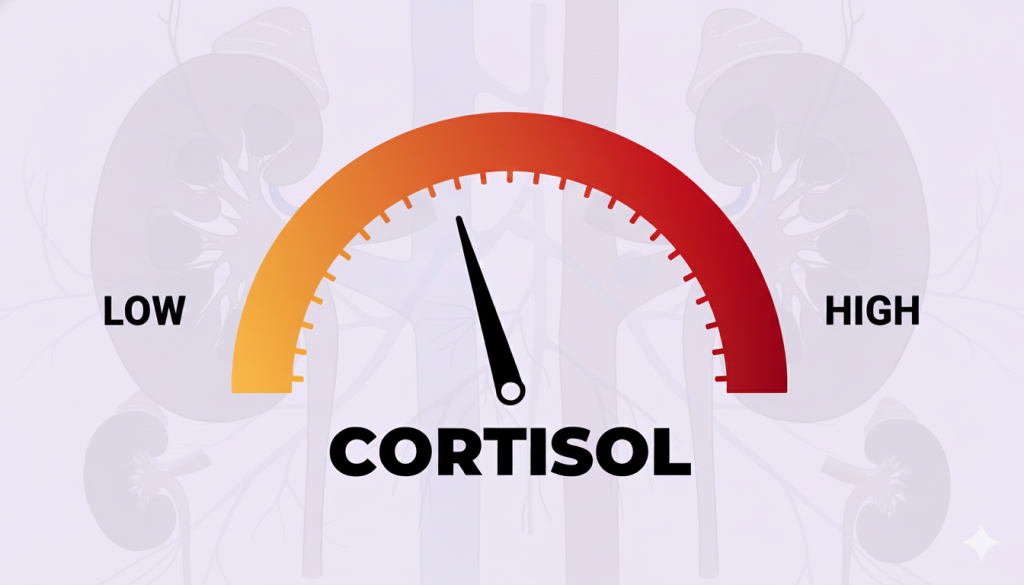
In modern society, chronic stress has become nearly unavoidable. Persistent work pressure, disrupted sleep, poor nutrition, and sedentary lifestyles continuously activate the body’s stress response system. At the center of this physiological response lies cortisol, a hormone essential for survival but potentially harmful when chronically elevated. Growing interest in dietary strategies, supplements, and functional beverages such as the so-called adrenal cocktail reflects the need for practical, non-pharmacological approaches to cortisol management. This article explores cortisol from a scientific standpoint and evaluates how nutrition, supplementation, and lifestyle interventions may help regulate its levels effectively.
What Is Cortisol?
Cortisol is a glucocorticoid hormone produced by the adrenal cortex under the regulation of the hypothalamic-pituitary-adrenal (HPA) axis. It plays a critical role in maintaining homeostasis by influencing glucose metabolism, blood pressure regulation, immune modulation, and circadian rhythm alignment. Cortisol secretion follows a diurnal pattern, peaking in the early morning to promote alertness and gradually declining throughout the day.
In acute situations, cortisol is protective. It mobilizes glucose, increases cardiovascular output, and suppresses non-essential functions to help the body cope with immediate threats. However, when cortisol remains elevated for prolonged periods, it becomes maladaptive, contributing to metabolic dysfunction, immune suppression, muscle wasting, visceral fat accumulation, sleep disturbances, and mood disorders.
What Is Stress?
Stress is the body’s physiological and psychological response to any demand that challenges internal equilibrium. Stressors may be physical (illness, injury, intense exercise), psychological (anxiety, deadlines, emotional trauma), or environmental (noise, pollution, temperature extremes). Stress itself is not inherently harmful; in fact, short-term stress can enhance performance and resilience.
Problems arise when stress becomes chronic. Continuous exposure to stressors leads to prolonged activation of the HPA axis, impairing the body’s ability to return to baseline. Over time, this dysregulation alters hormone signaling, energy metabolism, and inflammatory responses, creating fertile ground for chronic disease.
How Stress Occurs in the Body
When a stressor is perceived, the hypothalamus releases corticotropin-releasing hormone (CRH), stimulating the pituitary gland to secrete adrenocorticotropic hormone (ACTH). ACTH then signals the adrenal glands to release cortisol. Simultaneously, the sympathetic nervous system releases adrenaline and noradrenaline, initiating the classic “fight-or-flight” response.
Under normal conditions, cortisol exerts negative feedback on the hypothalamus and pituitary to suppress further release. Chronic stress, however, disrupts this feedback loop. The result is either sustained cortisol elevation or, in later stages, adrenal signaling dysfunction, both of which impair physiological resilience.
The Cortisol-Stress Connection
Cortisol and stress are inseparable in human physiology. Cortisol is not the cause of stress but rather its biochemical mediator. Elevated cortisol levels are consistently associated with anxiety, impaired cognition, central obesity, insulin resistance, and weakened immune defenses. Excess cortisol also antagonizes anabolic hormones such as insulin, growth hormone, and testosterone, leading to reduced muscle mass and impaired recovery.
Importantly, cortisol imbalance does not occur in isolation. It interacts with neurotransmitters, inflammatory cytokines, and micronutrient status. This interconnectedness explains why isolated interventions often fail and why integrated dietary and lifestyle approaches are more effective for long-term cortisol regulation.
How to Manage Cortisol Levels
Managing cortisol requires addressing both stress exposure and physiological resilience. Adequate sleep, regular physical activity, emotional regulation, and nutritional sufficiency form the foundation of cortisol balance. Without these fundamentals, supplements and functional foods offer limited benefit.
From a dietary perspective, stabilizing blood glucose, ensuring adequate micronutrient intake, and supporting adrenal hormone synthesis are essential strategies. Protein sufficiency, complex carbohydrates, healthy fats, and key minerals such as magnesium, potassium, and sodium play a critical role in moderating the stress response.
Why Consider Supplements to Lower Cortisol?
Diet alone may not always meet the increased nutritional demands imposed by chronic stress. Stress accelerates the depletion of vitamin C, B-complex vitamins, magnesium, and electrolytes all of which are involved in cortisol synthesis and regulation. Supplementation can help bridge these gaps, particularly in individuals with high workloads, disrupted sleep, or restrictive diets.
Certain botanical extracts and nutrients have demonstrated cortisol-modulating properties by influencing HPA axis signaling, reducing oxidative stress, or improving sleep quality. However, supplements should be viewed as adjuncts, not substitutes, for lifestyle interventions.
Are Cortisol Blocker Supplements Effective?
The term “cortisol blocker” is somewhat misleading. Cortisol is essential for survival, and complete suppression would be harmful. Most supplements marketed for cortisol reduction work indirectly by enhancing stress resilience rather than blocking hormone production outright.
Adaptogenic herbs such as ashwagandha and rhodiola have been shown to normalize cortisol responses under stress. Magnesium supports nervous system relaxation, while phosphatidylserine may blunt excessive cortisol release during intense physical or mental stress. The effectiveness of these compounds depends on dosage, duration, individual physiology, and concurrent lifestyle factors.
Scientific evidence supports modest but meaningful benefits, particularly when supplements are used consistently and combined with sleep optimization and dietary improvements.
“Adrenal Cocktail”: Nutritional Rationale and Mechanism
The adrenal cocktail is a functional beverage concept designed to support adrenal function and electrolyte balance. Typically composed of orange juice and coconut water, it provides a targeted combination of vitamin C, potassium, sodium, and simple carbohydrates.
Vitamin C is highly concentrated in the adrenal glands and is required for cortisol synthesis and regulation. During stress, vitamin C is rapidly depleted, and inadequate levels may impair adrenal signaling efficiency. Orange juice serves as a bioavailable source of vitamin C while also providing natural sugars that help stabilize blood glucose, reducing cortisol spikes triggered by hypoglycemia.
Magnesium helps regulate cortisol by supporting nervous system relaxation and reducing activation of the stress response. It improves sleep quality, enhances resilience to physical and mental stress, and prevents excessive cortisol release by modulating the hypothalamic-pituitary-adrenal (HPA) axis and neurotransmitter balance.
Coconut water contributes potassium and electrolytes essential for nerve conduction, muscle function, and fluid balance. Potassium counterbalances sodium loss associated with stress-induced aldosterone fluctuations. Together, these components support cellular hydration, adrenal nutrient supply, and nervous system stability.
While the adrenal cocktail is not a medical treatment, it may serve as a practical dietary support tool for individuals experiencing fatigue, stress, or dehydration, particularly in the context of physically or mentally demanding routines.
Important Considerations
Medical Guidance
Individuals with endocrine disorders, hypertension, kidney disease, or those taking corticosteroids should consult a healthcare professional before attempting cortisol-modulating interventions. Nutritional strategies are generally safe, but individual risk factors must be considered.
Holistic Approach
Cortisol dysregulation rarely has a single cause. Effective management requires a holistic strategy addressing sleep, nutrition, physical activity, psychological stress, and metabolic health simultaneously.
Lifestyle Changes to Support Supplements in Balancing Cortisol
Lifestyle behaviors significantly influence the efficacy of dietary and supplemental interventions. Consistent sleep schedules, exposure to morning light, moderate exercise, mindfulness practices, and reduced stimulant intake enhance cortisol rhythm normalization. Resistance training and low-intensity aerobic activity are particularly beneficial, while excessive high-intensity exercise may exacerbate cortisol elevation if recovery is inadequate.
How Foods Affect Cortisol
Food intake directly influences cortisol through its effects on blood glucose, insulin signaling, inflammation, and micronutrient availability. Diets high in refined sugars and ultra-processed foods promote glycemic volatility, leading to repeated cortisol surges. In contrast, balanced meals containing protein, fiber, and healthy fats stabilize glucose levels and reduce stress hormone activation.
Micronutrient-dense foods such as citrus fruits, leafy greens, nuts, seeds, and legumes provide magnesium, vitamin C, potassium, and B vitamins essential for adrenal and nervous system function. Omega-3 fatty acids from fatty fish and seeds modulate inflammatory pathways that indirectly influence cortisol signaling.
Timing also matters. Skipping meals or prolonged fasting may elevate cortisol, particularly in individuals already under stress. Regular, balanced meals help maintain hormonal equilibrium and prevent stress-induced metabolic disruptions.
Conclusion
Cortisol is neither inherently harmful nor beneficial; its impact depends entirely on context and duration. Chronic stress and sustained cortisol elevation undermine metabolic, immune, and psychological health, making cortisol regulation a critical component of modern wellness strategies. Dietary interventions, including nutrient-rich foods, targeted supplementation, and functional beverages such as the adrenal cocktail, offer accessible tools to support adrenal health.
However, no dietary strategy can compensate for inadequate sleep, unmanaged psychological stress, or persistent lifestyle imbalances. Sustainable cortisol management requires an integrated approach that aligns nutrition, supplementation, and daily habits with the body’s natural stress physiology. When applied thoughtfully and consistently, these strategies can restore hormonal balance, enhance resilience, and improve overall well-being.
Disclaimer: This article is for educational purposes only and does not substitute professional medical advice. Consult a qualified healthcare professional for further guidance.
Read Articles Below for More Health Update
Creatine vs Magnesium: Which Supplement Truly Enhances Strength and Performance?
Akkermansia muciniphila and Gut Immunity: Role in Bowel Disease, Obesity, and Diabetes