
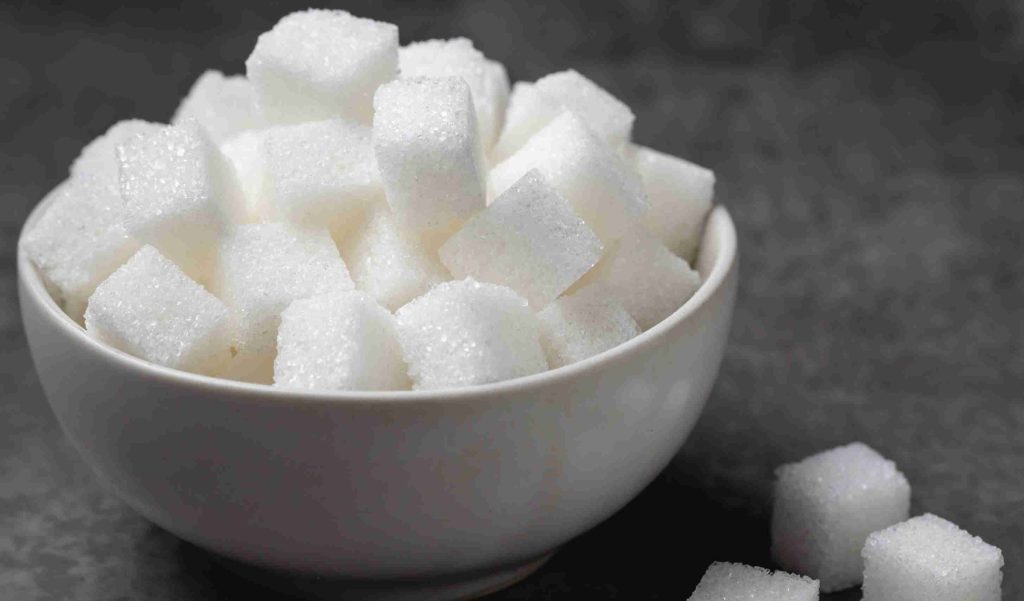
In January 2026, scientists reported a breakthrough in making a rare natural sugar called TAGATOSE that tastes almost like regular sugar, contains far fewer calories, and does not cause sharp spikes in insulin levels, offering a healthier alternative to table sugar and many artificial sweeteners.
Researchers from Tufts University, in collaboration with biotechnology firms Manus Bio (US) and Kcat Enzymatic (India), developed a highly efficient method for large-scale production of tagatose. This innovation has the potential to transform how low-calorie sugars are made and used in foods.
Tagatose Explained: What It Is and Why It Matters
According to the research, scientists have identified tagatose as a naturally occurring sugar with unique metabolic properties.
What Tagatose Is
- Tagatose is a rare sugar that occurs in small amounts in dairy products and certain fruits.
- It has about 92% of the sweetness of sucrose (table sugar).
- Critically, tagatose contains roughly one-third the calories of sugar.
How Tagatose Works in the Body
Unlike conventional sugars:
- Tagatose is only partially absorbed in the small intestine.
- Much of it ferments in the colon, where gut bacteria metabolize it, producing short-chain fatty acids instead of being fully absorbed as glucose.
This unique metabolism leads to minimal increases in blood sugar and insulin, which is a key benefit for people with diabetes or insulin sensitivity.
Evidence on Insulin Response
A systematic review in clinical nutrition shows that small doses of tagatose can significantly reduce post-meal insulin response compared with typical sugars.
Health Impacts of Traditional Sugar vs Tagatose
How Traditional Sugar Impacts Health
Numerous high-quality studies have documented how conventional sugar consumption affects health through mechanisms such as:
- Insulin spikes and insulin resistance
- Weight gain and obesity
- Type 2 diabetes progression
- Liver fat accumulation (NAFLD)
- Cardiovascular risk factors
Excess glucose and fructose from regular sugar leads to rapid increases in blood glucose, requiring large amounts of insulin for cellular uptake. Repeated spikes can ultimately cause insulin resistance.
Tagatose’s Metabolic Profile
Compared with sucrose, tagatose:
- Has much lower glycemic impact
- Stimulates minimal insulin release
- Doesn’t contribute to blood sugar spikes
In a double-blind clinical study, individuals consuming tagatose showed significantly reduced post-prandial glucose and insulin levels, especially in hyperglycemic subjects.
This evidence suggests that tagatose may be a useful component of diets aimed at controlling blood sugar, particularly for people with diabetes or metabolic syndrome.
The Scientific Breakthrough: Making Tagatose Scalable
The innovation is not just the discovery of tagatose’s benefits but, crucially, a new method for producing it efficiently and at scale.
Challenges in Tagatose Production
Before this breakthrough, tagatose was:
- Rare and expensive to produce
- Limited due to inefficient enzymatic processes
Researchers historically converted galactose into tagatose, but yields were low and the process costly.
The New Method
Scientists engineered Escherichia coli bacteria with a novel enzyme from slime mold called galactose-1-phosphate-selective phosphatase (Gal1P). This enzyme enables efficient conversion of glucose into tagatose a common and cheap starting material.
Key points of this new production method:
- Up to 95% production yields
- Uses abundant glucose rather than expensive galactose
- Makes tagatose production economically feasible on a large scale
This innovation was published in Cell Reports Physical Science, signalling a major step toward commercial availability.
Tagatose and Oral/Gut Health
Beyond metabolism and insulin response, tagatose may have benefits in the digestive and oral microbiome:
Oral Health Benefits
Tagatose does not feed cavity-causing bacteria like sucrose does. Instead, it may:
- Inhibit harmful oral bacteria
- Potentially reduce dental caries risk
This correlates with findings that tagatose supports more beneficial microbial balance.
Gut Health and Prebiotic Potential
Because a significant amount of tagatose ferments in the colon, it has the potential to act as a prebiotic, nourishing beneficial gut bacteria a positive contrast to some artificial sweeteners that may negatively affect gut microbiota.
Pros and Cons of Tagatose
Advantages
- Lower glycemic index and less insulin response
- Fewer calories than sucrose
- Tooth-friendly properties
- Cooking and baking functionality
- Potential prebiotic effects
Limitations and Considerations
Despite promising benefits, tagatose is not a magic solution:
- It still yields calories though lower than sugar
- Some individuals may experience gastrointestinal discomfort with high intake due to fermentation
- Regulatory pathways and food labeling require clarity
- Long-term effects need more research
Also, evidence quality for long-term metabolic outcomes is currently limited, and more large clinical trials are needed.
How Tagatose Compares With Other Sweeteners
| Sucrose (table sugar) | High | High | High | Yes |
| Tagatose | Low | Low | Low | Yes |
| Allulose | Very low | Very low | Very low | Limited browning |
| Artificial sweeteners (aspartame, sucralose) | Zero | Zero | Variable | Limited |
Allulose, another rare sugar, also minimizes glycemic impact and insulin release, similar to tagatose.
However, tagatose stands out for its baking functionality and near-sugar taste and texture, which many alternatives lack.
Future Potential and Market Outlook
Scientists believe this new tagatose production method could unlock wider commercial use. Projections estimate the global tagatose market may exceed $250 million by 2032.
If adopted at scale, tagatose could significantly influence:
- Reduced caloric loads in processed foods
- Improved food choices for diabetics
- Sugar reformulation in global markets
Bottom Line
Tagatose, a rare natural sugar variant, has emerged as a promising low-calorie, low-glycemic alternative to table sugar. The recent scientific breakthrough in efficient production means tagatose may soon become more widely available, offering metabolic benefits and broad food industry applications.
Written By: DRx. Shabina Khan (Clinical Pharmacist)