
Why Beetroot Is Gaining Global Attention
Beetroot (Beta vulgaris) has emerged as a powerful functional food across both India and the United States due to its impressive nutrient density and clinically supported health benefits. Traditionally used in Indian households for digestion, blood purification, and vitality, beetroot is now widely studied in Western medicine for cardiovascular health, exercise performance, and inflammation control.
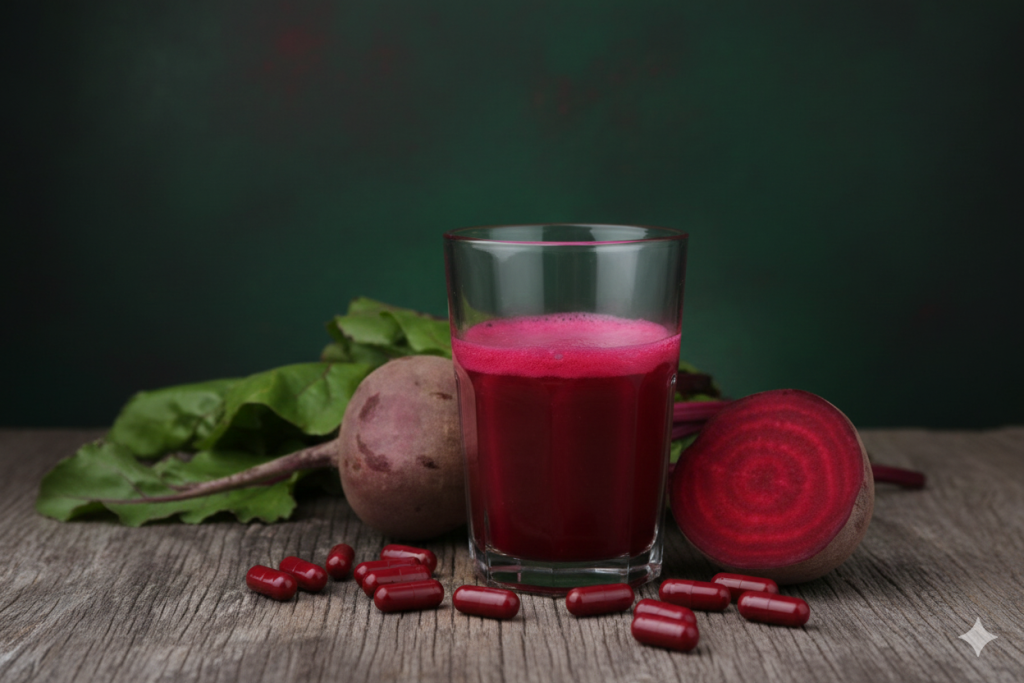
Beetroot juice and supplements are particularly valued for their high content of dietary nitrates, betalain antioxidants, polyphenols, vitamins, and essential minerals. This unique biochemical profile positions beetroot as a natural aid for heart health, athletic performance, brain function, and overall metabolic well-being.
This article explores five proven health benefits of beetroot, supported by scientific research and relevant to dietary practices in both India and the USA.
1. Cardiovascular Health and Blood Pressure Reduction
How Beetroot Supports Heart Health
One of the most well-documented benefits of beetroot is its ability to lower blood pressure naturally. Beetroot is rich in dietary nitrates, which are converted in the body into nitric oxide (NO). Nitric oxide relaxes and widens blood vessels, improving circulation and reducing vascular resistance.
A 2022 meta-analysis of clinical trials reported that beetroot juice consumption reduced systolic blood pressure by approximately 2.7-4.8 mmHg, particularly in adults with hypertension. Even modest reductions in blood pressure are associated with a significantly lower risk of heart attack and stroke.
Indian & USA Context
- In India, hypertension is a growing public health issue due to high salt intake, sedentary lifestyles, and stress.
- In the USA, heart disease remains the leading cause of death, with millions managing high blood pressure through medication.
Beetroot juice serves as a complementary dietary strategy in both regions, supporting vascular health alongside standard medical care.
Additionally, studies suggest beetroot may help reduce LDL cholesterol, triglycerides, and oxidative stress, which are major contributors to atherosclerosis.
2. Improved Exercise Performance and Muscle Efficiency
Natural Performance Booster
Beetroot is widely used by athletes and fitness enthusiasts for its ability to enhance endurance, strength, and recovery. Dietary nitrates improve mitochondrial efficiency, meaning muscles require less oxygen to produce the same amount of energy.
Clinical studies show that 5-7 days of beetroot supplementation can:
- Increase time to exhaustion
- Improve aerobic endurance
- Reduce oxygen cost during exercise
In older adults and individuals with heart failure, beetroot juice has demonstrated improvements in aerobic exercise tolerance of up to 20-24%.
Relevance for India and the USA
- In India, beetroot juice is increasingly popular among yoga practitioners, runners, and gym-goers as a natural stamina enhancer.
- In the USA, beetroot supplements are commonly used by endurance athletes, cyclists, and military personnel.
Importantly, whole beetroot and juice appear more effective than isolated nitrate salts due to the synergistic action of antioxidants and anti-inflammatory compounds.
3. Powerful Antioxidant and Anti-Inflammatory Properties
Role of Betalains and Polyphenols
Beetroot owes its deep red color to betalains, potent antioxidants with strong anti-inflammatory activity. These compounds neutralize free radicals and protect cells from oxidative damage to DNA, lipids, and proteins.
Research indicates that beetroot juice:
- Reduces markers of oxidative stress
- Modulates inflammatory pathways
- Protects against chronic inflammation-related diseases
A 2024 clinical study involving athletes showed that beetroot supplementation significantly reduced post-exercise inflammation and muscle damage biomarkers, aiding faster recovery.
Public Health Importance
Chronic inflammation underlies many lifestyle diseases prevalent in both India and the USA, including:
- Type 2 diabetes
- Obesity
- Cardiovascular disease
- Arthritis
Regular beetroot consumption may support long-term inflammatory balance as part of a plant-rich diet.
4. Cognitive Function and Brain Health Support
Boosting Cerebral Blood Flow
Emerging research suggests beetroot may enhance brain health and cognitive performance by improving blood flow to the brain. Nitric oxide increases cerebral perfusion, improving oxygen and nutrient delivery to brain tissue.
Studies involving athletes and older adults have shown improvements in:
- Reaction time
- Mental stamina
- Cognitive task performance
A study on combat sport athletes, including taekwondo practitioners, found that nitrate-rich beetroot juice improved cognitive efficiency during high mental and physical stress.
Aging Population Benefits
- In India, the aging population is increasing rapidly, with rising concerns about memory decline.
- In the USA, cognitive health and dementia prevention are major healthcare priorities.
While more large-scale studies are needed, beetroot shows promise as a dietary tool for maintaining cerebrovascular health, particularly in older adults.
5. Potential Anti-Cancer Properties (Supportive Evidence)
What the Research Shows
Laboratory and animal studies suggest beetroot extracts may have anti-cancer potential through mechanisms such as:
- Inhibition of tumor cell proliferation
- Induction of apoptosis (programmed cell death)
- Anti-angiogenic effects (preventing tumor blood supply)
Betalains appear to play a central role by modulating oxidative stress and inflammation pathways associated with cancer development.
Important Disclaimer
Current evidence does not support beetroot as a treatment or cure for cancer. However, as part of a diet rich in fruits and vegetables, beetroot may contribute to cancer risk reduction and overall cellular protection.
Nutritional Profile of Beetroot
Beetroot is nutrient-dense yet low in calories, making it suitable for daily consumption.
Per serving (approximate):
- Calories: 60-70
- Carbohydrates: Moderate (natural sugars)
- Fat: Negligible
- Rich in:
- Folate (Vitamin B9)
- Vitamin C
- Potassium
- Magnesium
- Iron
- Dietary fiber
This profile supports energy metabolism, red blood cell formation, electrolyte balance, and digestive health.
Safety, Dosage, and Considerations
Beetroot juice and supplements are generally safe for most people when consumed in moderation.
Common and harmless side effect:
- Beeturia (red or pink urine/stools)
Caution advised for:
- Individuals with low blood pressure
- Those prone to kidney stones (due to oxalates)
- People on blood pressure or nitrate-based medications
In such cases, medical consultation is recommended before regular supplementation.
Conclusion: A Science-Backed Functional Food
Beetroot juice and supplements offer clinically supported, multi-system health benefits, making beetroot one of the most valuable functional foods in both Indian and Western diets. From lowering blood pressure and improving exercise performance to reducing inflammation and supporting brain health, beetroot demonstrates significant therapeutic potential.
While not a substitute for medical treatment, incorporating beetroot into a balanced diet through fresh juice, cooked vegetables, or standardized supplements can provide natural, evidence-based support for heart, muscle, and cognitive health. With mindful consumption and appropriate medical guidance, beetroot stands out as a simple yet powerful addition to daily nutrition.
Read Articles Below for More Health Update