
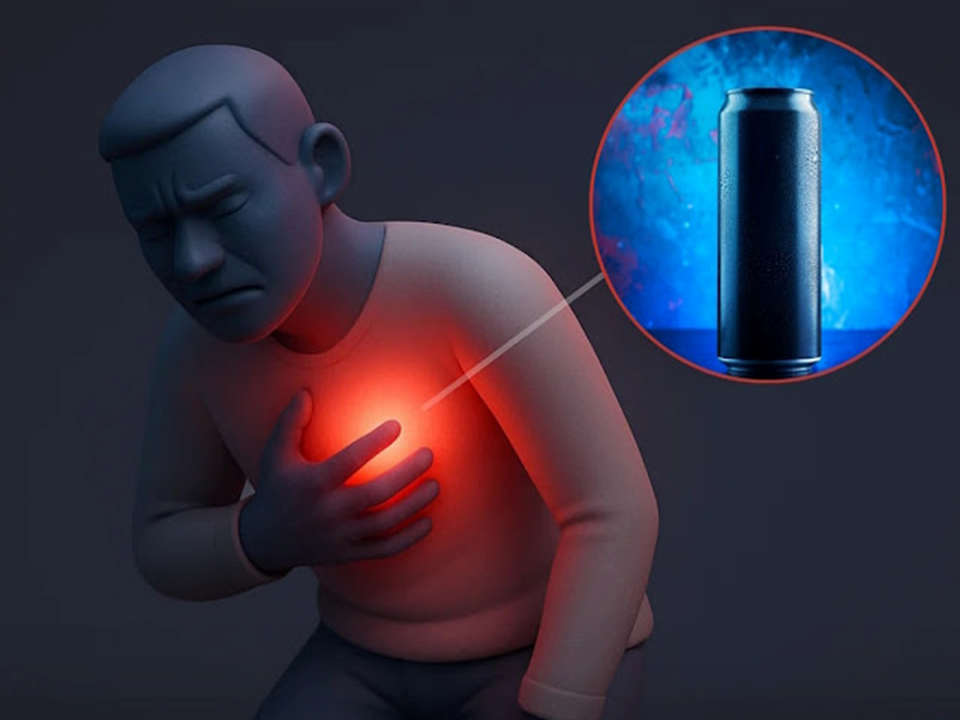
Energy drinks have become a routine part of modern lifestyles, particularly among young adults, students, and professionals seeking instant energy, alertness, or improved performance. Marketed as harmless stimulants, these beverages are often perceived as no different from coffee. However, growing scientific evidence suggests that excessive energy drink consumption can significantly increase the risk of serious cardiac problems, including heart attack, dangerous arrhythmias, heart failure, and even sudden cardiac arrest.
This article provides a comprehensive, evidence-based overview of how energy drinks affect heart health, who is most at risk, and why moderation or complete avoidance in certain individuals is strongly advised.
What Are Energy Drinks?
Energy drinks are stimulant beverages typically containing:
- High doses of caffeine
- Added stimulants such as taurine, guarana, ginseng, and yohimbine
- Large amounts of sugar or artificial sweeteners
- B vitamins and other performance-enhancing compounds
While caffeine alone is generally safe within recommended limits, energy drinks often combine multiple stimulants, creating a synergistic effect that can overstimulate the cardiovascular system.
How Energy Drinks Affect the Heart
1. Excessive Intake Is the Biggest Risk Factor
The most severe cardiac events linked to energy drinks occur with high or binge consumption, often defined as consuming 4–10 cans per day, sometimes within a short time frame.
Multiple case reports document:
- Young, otherwise healthy individuals developing atrial fibrillation
- Episodes of ventricular tachycardia
- Sudden collapse due to cardiac arrest
The risk is even higher when energy drinks are combined with alcohol, physical exertion, dehydration, or sleep deprivation.
2. Mechanisms of Cardiac Harm
Energy drinks can disrupt normal heart function through several mechanisms:
- Increased blood pressure: Stimulants activate the sympathetic nervous system, causing vasoconstriction.
- Electrical instability: Caffeine and other stimulants alter ion channels in heart cells, increasing arrhythmia risk.
- Increased heart rate and contractility: Excessive stimulation can overwhelm the heart’s electrical system.
- QT interval prolongation: This increases the risk of life-threatening ventricular arrhythmias.
These effects may occur even after a single large dose, particularly in susceptible individuals.
Arrhythmias: A Major and Underestimated Risk
Atrial and Ventricular Arrhythmias
Studies and clinical case reports have documented:
- Atrial fibrillation in teenagers and young adults
- QT prolongation, a known trigger for sudden cardiac death
- Ventricular tachycardia, which can degenerate into cardiac arrest
Importantly, many affected individuals had no prior diagnosis of heart disease, highlighting the role of undiagnosed or genetic susceptibility.
Genetic Heart Disease and Energy Drinks
For individuals with inherited cardiac conditions, energy drinks pose a particularly serious risk. These conditions include:
- Long QT syndrome
- Brugada syndrome
- Arrhythmogenic right ventricular cardiomyopathy (ARVC)
- Hypertrophic cardiomyopathy
A notable Mayo Clinic study found that approximately 5% of sudden cardiac arrest survivors with genetic heart disease had consumed an energy drink shortly before their event.
For these individuals, even moderate consumption may act as a trigger for fatal arrhythmias.
Energy Drinks and Heart Attack Risk
Although heart attacks are less common than arrhythmias in younger users, cases of myocardial infarction have been reported following excessive energy drink intake, even in people without known coronary artery disease.
Potential contributing factors include:
- Acute spikes in blood pressure
- Coronary artery spasm
- Increased platelet aggregation
- Dehydration and increased blood viscosity
People with diabetes, obesity, smoking history, or family history of heart disease face an even greater risk.
Heart Failure Linked to Chronic Overuse
Long-term, excessive energy drink consumption has been associated with weakening of the heart muscle, leading to cardiomyopathy and heart failure.
Key observations from clinical cases:
- Patients consuming multiple cans daily for months or years
- Development of reduced ejection fraction
- Associated kidney and metabolic dysfunction
- Improvement in heart and kidney function after discontinuation
This suggests a potentially reversible but dangerous pattern when energy drinks are abused chronically.
Blood Pressure: A Silent but Serious Effect
Energy drink consumption has been consistently shown to cause acute increases in blood pressure, sometimes lasting several hours.
Why this matters:
- A sustained 2 mm Hg increase in systolic blood pressure is associated with:
- 7% higher risk of ischemic heart disease death
- 10% higher risk of stroke mortality
For individuals with pre-existing hypertension, repeated spikes can significantly increase long-term cardiovascular risk.
The Role of Sugar and Additional Stimulants
The cardiovascular risk of energy drinks is not due to caffeine alone.
Added Stimulants
- Guarana often contains additional caffeine not clearly labeled
- Taurine and other compounds may amplify stimulant effects
- Combined doses may exceed safe daily limits unknowingly
High Sugar Content
- Rapid glucose spikes increase insulin demand
- Promote inflammation and oxidative stress
- Contribute to obesity, metabolic syndrome, and long-term heart disease
Sugar-free versions are not risk-free, as stimulant load remains high.
Who Should Avoid Energy Drinks Completely?
Most medical and cardiology guidelines recommend complete avoidance for:
- Individuals with known heart disease
- Those with suspected or diagnosed genetic heart conditions
- People with hypertension, diabetes, or obesity
- Individuals with a strong family history of sudden cardiac death
- Children and adolescents
Even healthy adults should exercise caution and strict moderation.
Warning Symptoms That Require Medical Attention
Seek immediate medical care if any of the following occur after energy drink consumption:
- Chest pain or pressure
- Palpitations or racing heartbeat
- Dizziness or fainting
- Shortness of breath
- Unexplained fatigue or weakness
Early intervention can be life-saving.
Summary Table: Cardiac Risks of Energy Drinks
| Risk Factor / Outcome | Energy Drink Effect | Vulnerable Populations |
| Arrhythmias | Significantly increased | Genetic heart disease, all ages |
| Blood pressure | Acute and sustained elevation | Hypertension, youth |
| Heart attack | Reported after excessive intake | At-risk adults |
| Sudden cardiac arrest | Rare but increased risk | Genetic arrhythmia syndromes |
| Heart failure | Linked to chronic high use | All, especially with comorbidities |
| Death | Rare but documented | Those with hidden predispositions |
Final Thoughts
Energy drinks are not benign beverages. While occasional consumption may be tolerated by some healthy adults, excessive or habitual use carries real and potentially life-threatening cardiovascular risks. The combination of high caffeine, multiple stimulants, and sugar creates a powerful physiological stressor particularly dangerous for individuals with known or hidden heart vulnerabilities.
From a heart health perspective, caution, moderation, and awareness are essential. For those at increased risk, avoidance is the safest option.
Read Articles Below for More Health Update