
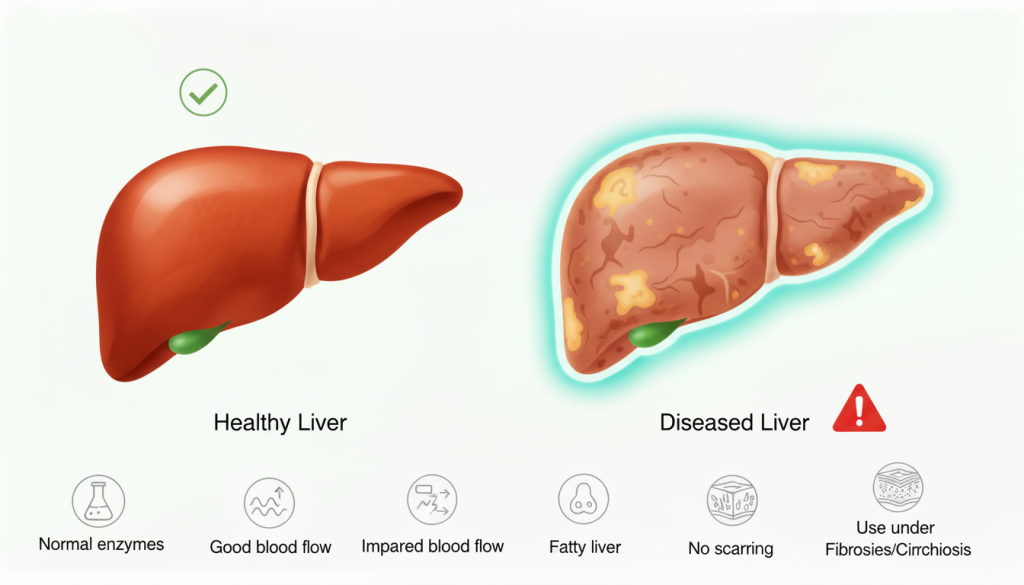
The liver is one of the most vital organs in the human body, responsible for metabolism, detoxification, bile secretion, nutrient storage, and protein synthesis. When the liver becomes inflamed or damaged, its ability to perform these functions decreases, leading to liver disease. Early detection plays a crucial role in preventing irreversible liver injury. Moreover, Herbal treatment is one of the best choices to manage liver disease.
Recognizing Liver Disease: Symptoms is essential for timely diagnosis and treatment.
What Is Liver Disease?
Liver disease refers to any condition that impairs the structure and function of the liver. It may result from infection, genetics, autoimmune dysfunction, lifestyle habits such as alcohol consumption, or metabolic conditions like fatty liver disease. Liver disease can be acute (developing suddenly) or chronic, progressing gradually over many years.
What Are the Causes of Liver Disease?
Common causes include:
- Viral Infections: Hepatitis A, B, and C
- Alcohol misuse
- Non-Alcoholic Fatty Liver Disease (NAFLD)
- Non-Alcoholic Steatohepatitis (NASH)
- Autoimmune hepatitis
- Genetic disorders: Wilson’s disease, Hemochromatosis
- Toxins and medications (drug-induced liver injury)
Worldwide and Indian status of Liver Disease?
Liver disease is a growing global public-health crisis driven by obesity, harmful alcohol use, and chronic viral hepatitis. Nonalcoholic fatty liver disease (NAFLD) closely linked to metabolic syndrome now affects roughly one-third of adults worldwide, making it among the fastest-rising chronic conditions.
In India, community and multicentre studies report NAFLD prevalence estimates that vary widely, with pooled analyses near 38% and heavier burdens among people with obesity, diabetes, and sedentary lifestyles. Alcohol-associated liver disease and chronic hepatitis B/C remain major causes of cirrhosis and hepatocellular carcinoma globally, while viral hepatitis continues to drive substantial mortality.
The Global Burden of Disease estimates ~1.26 million annual deaths from cirrhosis and other chronic liver diseases, underscoring urgent prevention and treatment needs. Immediate public-health action is essential.
Clinical Assessment and Medical History
When liver disease is suspected, a healthcare provider evaluates:
- Symptoms: jaundice (yellowing of eyes/skin), chronic fatigue, nausea, abdominal pain, unexplained weight loss, swelling in legs (edema), or fluid buildup in the abdomen (ascites).
- Lifestyle: alcohol consumption, dietary habits, toxic exposures.
- Medical history: previous infections, medications, family history of liver disorders.
This clinical assessment helps determine risk and guides diagnostic testing.
Diagnostic Parameters for Liver Disease
Liver function tests (LFTs) are key markers but often reflect damage, not function.
🔹 Enzymes (ALT, AST, ALP, GGT)
- High ALT and AST indicate hepatocellular injury.
- Elevated ALP and GGT suggest cholestasis or bile duct damage.
🔹 Proteins (Albumin, Total Protein)
Low albumin levels reflect reduced synthetic capacity and may indicate chronic liver failure.
🔹 Bilirubin
Elevated bilirubin causes jaundice and signals impaired bile processing.
🔹 Prothrombin Time (PT/INR)
A prolonged clotting time suggests advanced liver dysfunction, as clotting factors are produced in the liver.
Imaging and Biopsy for Liver Disease
✔ Imaging Tests
Ultrasound, CT scans, and MRI can detect liver enlargement, fatty deposits, fibrosis, tumors, or bile duct abnormalities.
✔ Elastography
Advanced imaging like FibroScan measures liver stiffness and helps stage fibrosis.
✔Liver Biopsy The gold standard for diagnosing cirrhosis, cancer, unknown inflammation, or autoimmune liver disease.
Contact with Healthcare Professionals
Management typically involves multiple specialists:
- Primary Care Physician: First screening and referral.
- Hepatologist: Expert in liver diseases.
- Gastroenterologist: Manages digestive-related liver disorders.
- Registered Dietitian: Guides nutrition to reduce liver strain and support healing.
Management and Treatment for Liver Disease
Lifestyle Changes
- Avoid alcohol and smoking.
- Maintain a healthy weight.
- Exercise regularly.
- Avoid unnecessary medication or supplements toxic to the liver.
Herbal Supplements and Scientific Evidence
Many people use herbal supplements to support liver health alongside conventional treatment. While some may offer benefits, they should never replace prescribed therapy, especially for advanced liver disease. Dosage and safety vary depending on regulatory standards, including FSSAI (India), NIH (USA), and EU herbal supplement monographs.
Milk Thistle (Silymarin)
Milk thistle is one of the most researched herbal extracts for liver support.
- FSSAI Recommended Range:
250-500 mg/day standardized extract (70–80% silymarin). - USA/NIH Clinical Research Range:
420-600 mg/day divided into 2-3 doses.
Some trials in cirrhosis suggest silymarin may reduce oxidative damage and improve survival. However, responses vary, and enzyme reductions may be modest.
⚠ Avoid in pregnancy unless medically supervised.
Curcumin (Turmeric Extract)
Curcumin has demonstrated anti-inflammatory and antioxidant benefits in fatty liver disease and metabolic syndrome.
- FSSAI Recommended Range:
500-1000 mg/day standardized curcumin extract. - USA NIH/USP Suggested Range:
500 mg twice daily (1000 mg/day), often with piperine for absorption.
Higher doses (≥1500 mg/day) are used in research settings but require medical supervision due to gastrointestinal intolerance
Licorice Root (Glycyrrhizic Acid)
Licorice extract shows potential benefits in viral hepatitis and liver inflammation; however, excessive or long-term intake can cause electrolyte imbalance and hypertension.
- FSSAI Safe Value:
≤100 mg/day glycyrrhizic acid equivalent. - USA Clinical Guidance:
100-200 mg/day extract for short-term use only unless under medical supervision.
Avoid in:
- Uncontrolled hypertension
- Kidney disease
- Pregnancy
N-Acetyl Cysteine (NAC)
Although not an herb, NAC is widely researched in the USA for non-alcoholic fatty liver disease (NAFLD) and acetaminophen toxicity.
- USA Research Dose: 600-1200 mg/day
FSSAI Approved Functional Ingredient Range: Up to 600 mg/day under nutraceutical category.
Safety and Quality Considerations
- Always choose standardized extracts with third-party testing (USP, GMP, ISO-certified).
- Herbal supplements may interact with medications such as anticoagulants, antivirals, antidiabetics, and immunosuppressants.
- Patients with cirrhosis, hepatitis, or liver transplant history must consult a hepatologist before use.
Self-Care and Long-Term Management
Living with liver disease requires ongoing care, including:
- Avoiding alcohol and toxic exposures.
- Eating a balanced diet rich in fruits, vegetables, whole grains, and lean protein.
- Limiting processed foods, trans fats, and excessive sugar.
- Staying vaccinated against Hepatitis A and B.
- Attending regular follow-ups and repeat tests.
Support groups, lifestyle counseling, and stress reduction strategies also improve long-term outcomes.
Bottom Line
Liver disease is often silent in the early stages but can progress to life-threatening complications if untreated. Early diagnosis through blood tests, imaging, and specialist consultations combined with a healthy lifestyle can significantly improve liver health and prevent irreversible damage.