
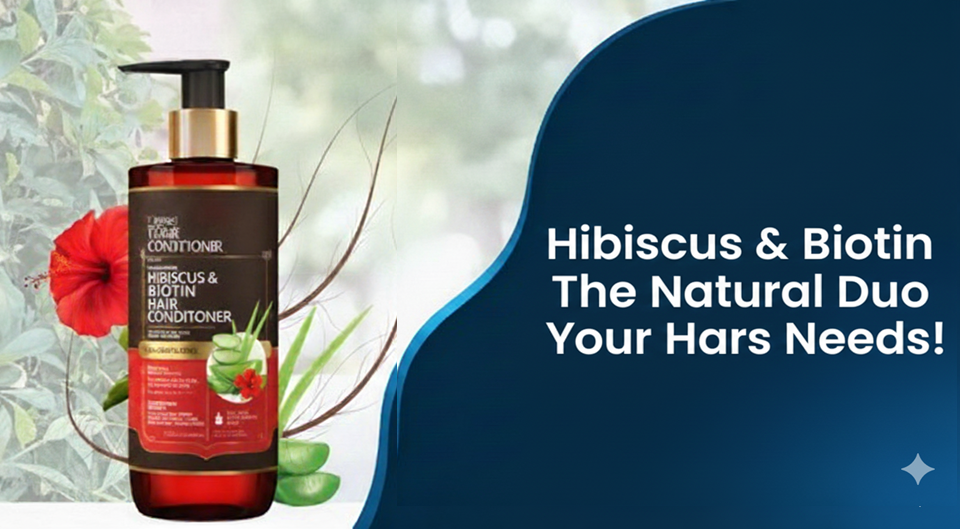
Why Biotin and Hibiscus Oil Work Better Together
Hair fall is a multifactorial condition influenced by nutrition, hormonal balance, scalp health, inflammation, and environmental stressors. Addressing hair loss effectively therefore requires a dual strategy internal nutritional support to strengthen hair at the root level and external care to optimize scalp health and follicular function.
Biotin (Vitamin B7) and hibiscus oil represent a scientifically rational combination that targets these two complementary dimensions of hair health. Biotin acts internally by supporting keratin synthesis and cellular metabolism essential for hair shaft formation, while hibiscus oil functions externally by nourishing hair follicles, improving scalp circulation, and creating a favorable microenvironment for hair growth.
When used together, biotin and hibiscus oil do not merely reduce hair fall symptomatically; they address the biological foundation of hair growth, resulting in stronger, thicker, and healthier hair over time.
Types of Hair Fall (Brief Overview)
Hair fall can occur due to nutritional deficiencies, hormonal imbalances, chronic stress, inflammatory scalp conditions, genetic predisposition, or physical and chemical damage. Common patterns include telogen effluvium (stress- or deficiency-induced shedding), androgenetic alopecia (pattern hair loss), traction alopecia, and hair breakage due to structural weakness. In many individuals, hair fall is compounded by more than one mechanism, making combined internal and external interventions particularly effective.
Biotin’s Role in Hair Health (Internal Support)
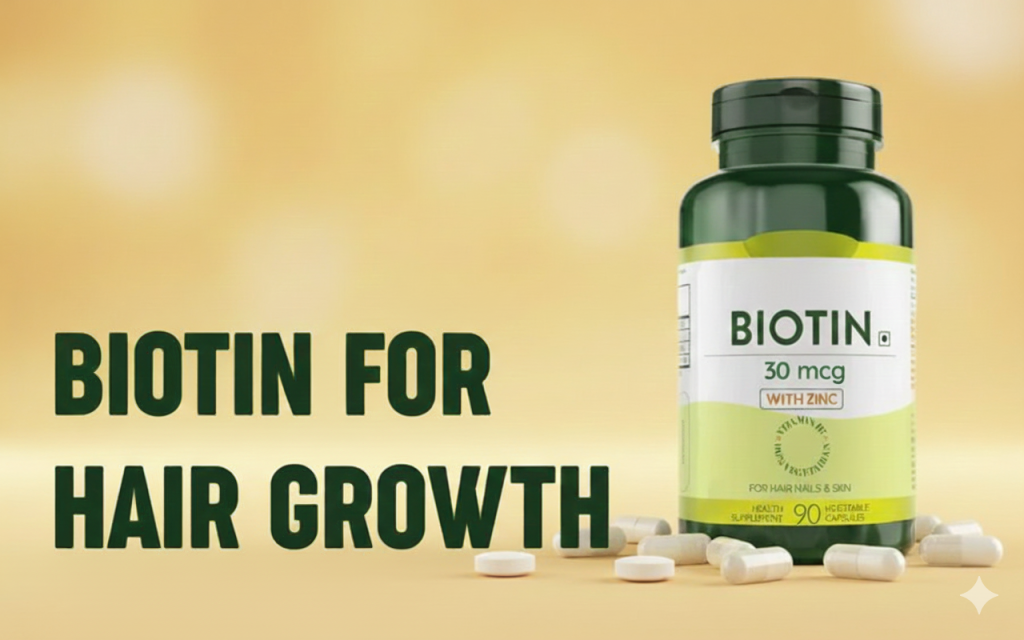
What Is Biotin?
Biotin, also known as Vitamin B7, is a water-soluble B-complex vitamin that functions as an essential cofactor for carboxylase enzymes involved in fatty acid synthesis, amino acid metabolism, and gluconeogenesis. These metabolic processes are critical for rapidly dividing cells, including hair matrix keratinocytes.
Keratin Production
Hair shafts are primarily composed of keratin, a fibrous structural protein. Biotin plays a direct role in keratin infrastructure by supporting protein synthesis and sulfur-containing amino acid metabolism. Adequate biotin availability enables proper keratin assembly, leading to stronger, thicker hair fibers.
Structural Integrity of Hair
Biotin deficiency has been associated with brittle hair, increased hair fall, and thinning. Sufficient biotin levels improve the tensile strength of hair strands, reduce breakage, and enhance resistance to mechanical stress such as brushing, heat styling, and environmental exposure.
Natural Sources of Biotin
Biotin is naturally present in several foods, including:
- Egg yolk
- Nuts and seeds (almonds, sunflower seeds)
- Whole grains
- Legumes
- Bananas
- Sweet potatoes
- Spinach
- Liver and organ meats
However, dietary intake may be inadequate due to poor absorption, restrictive diets, excessive cooking losses, or increased physiological demands.
Who Needs Biotin Supplementation?
Biotin supplementation may be particularly beneficial for:
- Individuals with chronic hair fall or brittle hair
- Pregnant or lactating women (under medical supervision)
- People with malabsorption syndromes
- Individuals on long-term antibiotics (which alter gut biotin synthesis)
- Smokers and people under chronic stress
- Those with diagnosed biotin deficiency or poor dietary intake
Clinical evidence suggests that biotin supplementation improves hair growth parameters primarily in individuals with subclinical or overt deficiency, rather than indiscriminate use.
Key Ingredients That Enhance Biotin’s Efficacy
Biotin works optimally when combined with complementary micronutrients:
Zinc
Zinc is essential for DNA synthesis, cell division, and follicular recovery. It supports hair follicle cycling and prevents telogen phase prolongation.
Iron
Iron deficiency is strongly linked to telogen effluvium. Adequate iron ensures oxygen delivery to hair follicles and supports active growth.
Vitamin D
Vitamin D receptors play a role in follicle differentiation and anagen phase initiation. Deficiency has been associated with diffuse hair thinning.
Amino Acids (Cysteine, Methionine)
These sulfur-containing amino acids form the backbone of keratin and enhance biotin’s role in structural protein formation.
Collagen Peptides
Collagen provides proline and glycine, improving scalp elasticity and follicular anchoring.
Hibiscus Oil’s Role in Hair Growth (External / Topical Support)
Nutrient Composition of Hibiscus
Hibiscus (Hibiscus rosa-sinensis) is rich in:
- Amino acids
- Vitamins A and C
- Flavonoids and phenolic antioxidants
- Natural mucilage compounds
These constituents make hibiscus oil a potent topical agent for scalp and hair health.
Stimulates Scalp Circulation
Hibiscus amino acids and flavonoids promote microcirculation, improving blood flow to hair follicles. Enhanced circulation ensures adequate delivery of oxygen, glucose, and nutrients essential for follicular metabolism.
Nourishes Hair Follicles
Topical application of hibiscus oil supplies bioactive compounds directly to follicles, helping reactivate dormant follicles and encouraging transition into the anagen (growth) phase.
Improves Scalp Health
Hibiscus exhibits anti-inflammatory and antifungal properties, making it effective in managing dandruff, scalp irritation, and mild microbial imbalance—factors that commonly disrupt hair growth.
Natural Conditioning Effect
The mucilage present in hibiscus forms a protective coating over hair strands, sealing moisture, reducing frizz, and improving hair smoothness and shine without synthetic silicones.
How to Prepare Hibiscus Oil at Home
Ingredients:
- Fresh or dried hibiscus flowers and leaves
- Cold-pressed coconut oil or sesame oil
Method:
- Wash and shade-dry hibiscus flowers and leaves completely.
- Crush them into a coarse paste.
- Heat oil on low flame and add the paste.
- Simmer gently until the oil changes color and moisture evaporates.
- Cool, strain, and store in a dark glass bottle.
Apply 2-3 times per week with gentle scalp massage.
The Synergistic Effect of Biotin and Hibiscus Oil
The synergy lies in their inside-out approach:
- Biotin provides the internal biochemical building blocks for keratin synthesis and hair shaft strength.
- Hibiscus oil enhances follicular efficiency externally by improving circulation, reducing inflammation, and nourishing the scalp.
Together, they optimize both hair production capacity and growth conditions, leading to outcomes superior to either intervention alone.
Resulting Benefits
- Reduced hair fall and breakage
- Increased hair density and volume
- Improved scalp health
- Enhanced shine and overall hair vitality
Clinical Evidence and Scientific Support
- Studies published in the Journal of Clinical and Aesthetic Dermatology associate biotin deficiency with hair thinning and note improvement following supplementation in deficient individuals.
- Research in the International Journal of Trichology highlights the importance of micronutrients, including biotin and zinc, in hair follicle cycling.
- Experimental studies on Hibiscus rosa-sinensis demonstrate hair growth-promoting activity through follicular stimulation and anagen phase prolongation in animal models.
- Antioxidant and anti-inflammatory properties of hibiscus have been documented in the Journal of Ethnopharmacology, supporting its role in scalp health.
Conclusion
Hair fall is rarely caused by a single factor, and sustainable improvement requires addressing both internal nutrition and external scalp care. Biotin and hibiscus oil offer a scientifically sound, complementary strategy biotin strengthens hair from within by supporting keratin synthesis, while hibiscus oil optimizes the scalp environment and follicular function.
When used consistently and appropriately, this synergistic combination can significantly reduce hair fall, enhance hair thickness, and restore overall hair health in a natural, evidence-based manner.
References
- Patel DP, Swink SM, Castelo-Soccio L. A Review of the Use of Biotin for Hair Loss. Journal of Clinical and Aesthetic Dermatology.
- Almohanna HM et al. The Role of Vitamins and Minerals in Hair Loss. International Journal of Trichology.
- Adhirajan N et al. Hair Growth Promoting Activity of Hibiscus rosa-sinensis. Journal of Ethnopharmacology.
- Trüeb RM. Nutritional Factors in Hair Loss. Clinics in Dermatology.
- Rossi A et al. Micronutrient Deficiencies and Hair Loss. Dermatology Practical & Conceptual.
Disclaimer: This article is for educational purposes only and does not substitute professional medical advice. Pregnant women should consult qualified healthcare providers for dietary guidance.
Read Articles Below for More Health Updates