
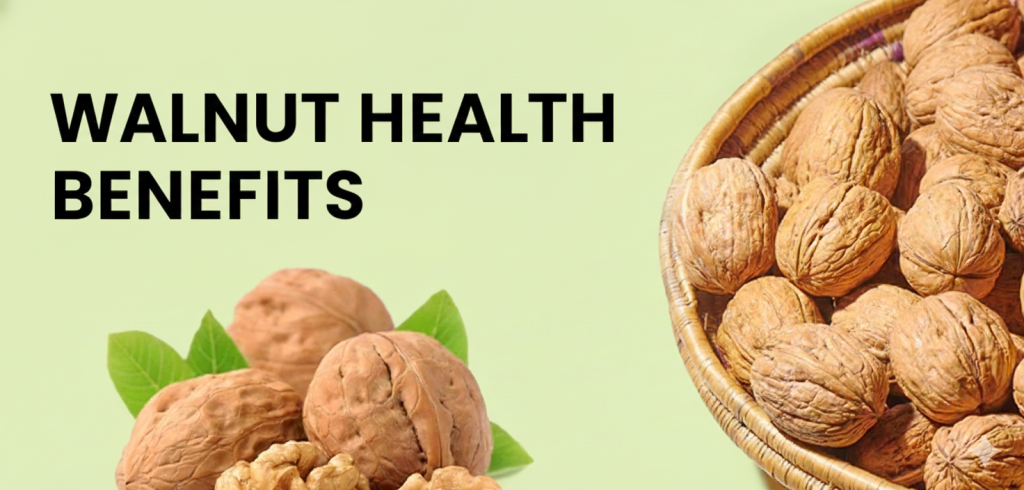
In the world of nutrition, very few foods deserve the title of a true superfood, and walnuts are one of them. Often referred to as “brain food” because of their distinctive shape, walnuts offer far more than visual symbolism. These nutrient-dense nuts are packed with essential fatty acids, plant-based protein, antioxidants, vitamins, and minerals that support multiple systems in the body.
Modern lifestyles have increased the prevalence of heart disease, cognitive decline, sleep disorders, chronic inflammation, gut imbalance, and skin problems. Walnuts stand out as a natural, evidence-backed dietary addition that can help address many of these concerns simultaneously. Regular walnut consumption has been linked to improved cardiovascular markers, better brain function, enhanced sleep quality, healthier skin, balanced digestion, and sustainable weight management.
What Are Walnuts?
Walnuts are edible seeds from trees belonging to the Juglans genus, with the most commonly consumed variety being the English walnut (Juglans regia). Although botanically classified as a seed, walnuts are nutritionally considered tree nuts.
Walnuts have been consumed for thousands of years and were prized in ancient Persian, Greek, and Roman cultures for their medicinal and cognitive benefits. Today, they are widely cultivated and enjoyed across the world, both raw and as an ingredient in sweet and savory dishes.
What sets walnuts apart from other nuts is their unique fat composition, particularly their high content of alpha-linolenic acid (ALA), a plant-based omega-3 fatty acid essential for human health.
Nutritional Profile of Walnuts
Walnuts are one of the most nutrient-dense nuts available. A small serving provides a powerful combination of healthy fats, protein, fiber, and micronutrients.
Nutritional Value (Approx. per 28 g / 1 ounce)
- Energy: ~185 kcal
- Protein: ~4.3 g
- Total fat: ~18.5 g
- Polyunsaturated fats: ~13.4 g
- Omega-3 (ALA): ~2.5 g
- Carbohydrates: ~3.9 g
- Dietary fiber: ~1.9 g
- Sugars: ~0.7 g
Walnuts are naturally free from cholesterol and trans fats, making them an excellent heart-friendly food.
Essential Vitamins and Minerals in Walnuts
Walnuts provide a wide range of micronutrients essential for metabolic, neurological, and skin health:
- Vitamin E – Protects cells from oxidative stress and supports skin health
- Vitamin B6 – Supports brain function and neurotransmitter synthesis
- Folate (Vitamin B9) – Important for cell division and cardiovascular health
- Magnesium – Supports muscle function, sleep quality, and stress regulation
- Phosphorus – Essential for bone and tooth health
- Copper – Involved in collagen formation and immune function
- Manganese – Supports antioxidant enzymes and metabolism
- Zinc – Important for immunity and skin repair
- Potassium – Helps regulate blood pressure
Health Benefits of Eating Walnuts
1. Heart Health Benefits of Walnuts
Heart disease remains one of the leading causes of death worldwide, and diet plays a crucial role in prevention. Walnuts are particularly beneficial for cardiovascular health due to their unique fat profile and antioxidant content.
Key heart-healthy mechanisms include:
- Reduction in LDL (bad) cholesterol
- Improvement in HDL (good) cholesterol
- Reduction in triglyceride levels
- Improved endothelial function (blood vessel health)
- Decreased oxidative stress
The omega-3 fatty acids in walnuts help reduce arterial inflammation, improve blood flow, and lower the risk of plaque buildup. Polyphenols and plant sterols further enhance cholesterol metabolism.
Regular walnut consumption has been associated with better blood pressure control and reduced markers of systemic inflammation, both critical factors in heart disease prevention.
2. Brain Health and Cognitive Function
Walnuts are often called “brain food”, and science strongly supports this reputation. The combination of omega-3 fatty acids, antioxidants, vitamin E, and polyphenols makes walnuts uniquely suited to support brain health.
Benefits for the brain include:
- Improved memory and learning
- Protection against age-related cognitive decline
- Reduced oxidative stress in brain cells
- Support for neurotransmitter function
Omega-3 fatty acids are essential components of neuronal cell membranes and play a role in communication between brain cells. Antioxidants in walnuts help protect neurons from free radical damage, which is linked to neurodegenerative conditions.
Regular walnut intake may support mental clarity, focus, and long-term brain resilience.
3. Walnuts and Sleep Quality
Sleep disorders are increasingly common due to stress, irregular routines, and poor diet. Walnuts can naturally support better sleep quality thanks to their nutrient composition.
How walnuts support sleep:
- Natural source of melatonin, the hormone that regulates sleep-wake cycles
- Rich in magnesium, which promotes relaxation
- Provides tryptophan, an amino acid involved in serotonin and melatonin production
Consuming a small portion of walnuts in the evening may help improve sleep onset and overall sleep quality, especially when paired with a balanced dinner.
4. Skin Benefits of Walnuts
Healthy skin reflects internal nourishment, and walnuts provide several nutrients essential for skin integrity and appearance.
Skin-supporting nutrients in walnuts include:
- Omega-3 fatty acids – Reduce inflammation and dryness
- Vitamin E – Protects against UV-induced oxidative damage
- Zinc – Supports wound healing and acne control
- Polyphenols – Help combat premature aging
Regular walnut consumption may help improve skin hydration, elasticity, and barrier function while reducing inflammation-related skin conditions.
5. Walnuts as an Anti-Inflammatory Food
Chronic inflammation is at the root of many lifestyle diseases, including heart disease, diabetes, arthritis, and metabolic disorders. Walnuts are one of the most powerful anti-inflammatory plant foods.
Their anti-inflammatory effects come from:
- High omega-3 content
- Polyphenols and flavonoids
- Magnesium and antioxidant minerals
Replacing refined snacks with walnuts may significantly lower inflammatory markers over time.
6. Walnuts and Gut Health
A healthy gut microbiome is essential for digestion, immunity, mood regulation, and metabolic health. Walnuts support gut health by acting as a prebiotic food.
Gut health benefits include:
- Increased beneficial gut bacteria
- Improved digestion and nutrient absorption
- Reduced gut inflammation
- Enhanced immune responses
The fiber and polyphenols in walnuts feed beneficial microbes, helping maintain a balanced intestinal environment.
7. Helping with Weight Management
Despite being calorie-dense, walnuts can support healthy weight management when consumed in moderation.
Why walnuts help with weight control:
- High satiety due to healthy fats and protein
- Helps regulate appetite hormones
- Reduces cravings for processed foods
- Supports stable blood sugar levels
Including walnuts as part of a balanced diet may actually reduce overall calorie intake by promoting fullness and mindful eating.
How to Take Your Daily Walnut Dose
The recommended daily intake of walnuts is approximately 28-30 grams (a small handful or 7-9 walnut halves).
Recipe Ideas to Try Today
Breakfast Ideas
- Chop and sprinkle walnuts over oatmeal, porridge, or yogurt
- Add walnuts to smoothie bowls for crunch and nutrition
Snack Ideas
- Combine walnuts with dried fruits for a homemade trail mix
- Pair walnuts with fresh fruit for a balanced snack
Lunch & Dinner
- Replace croutons with chopped walnuts on salads
- Add toasted walnuts to vegetable stir-fries or grain bowls
Plant-Based Cooking
- Blend walnuts with spices to create a high-protein “walnut meat” filling for tacos, wraps, or pasta sauces
Summary: Why Walnuts Deserve a Place in Your Daily Diet
Walnuts are more than just a tasty snack; they are a nutritional powerhouse with scientifically supported benefits for heart health, brain function, sleep quality, skin health, gut balance, inflammation control, and weight management.
Their unique omega-3 content, antioxidant profile, and essential micronutrients make them one of the most valuable plant-based foods you can include in your daily routine. When consumed mindfully and consistently, walnuts can contribute significantly to long-term wellness.
Adding a small handful of walnuts each day is a simple yet powerful step toward better health naturally and sustainably.
Disclaimer: This article is for educational purposes only and does not substitute professional medical advice.
Read Articles Below for More Health Update